


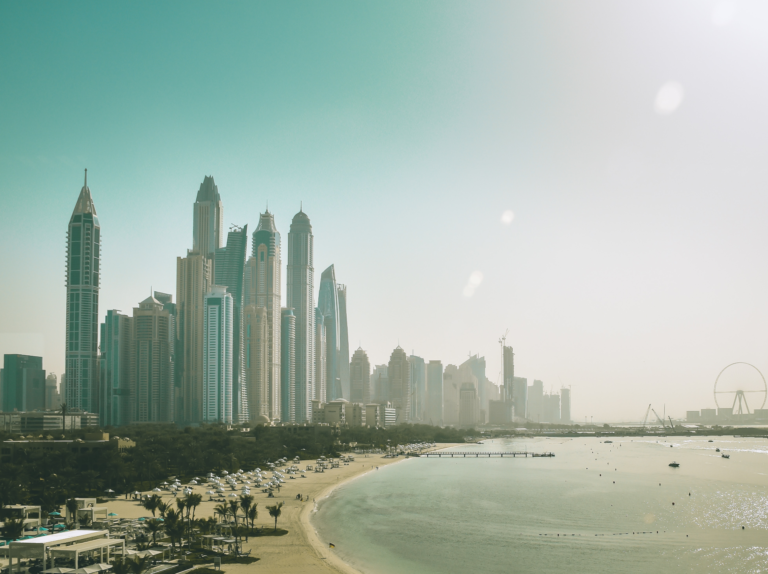

The geopolitical developments surrounding Iran have caused uncertainty around the world in recent weeks - particularly in connection with the Middle East.
As a company with local roots, we experience the situation on the ground every day. Nevertheless, it is important to us not only to share our own perspective, but also to provide an independent assessment.
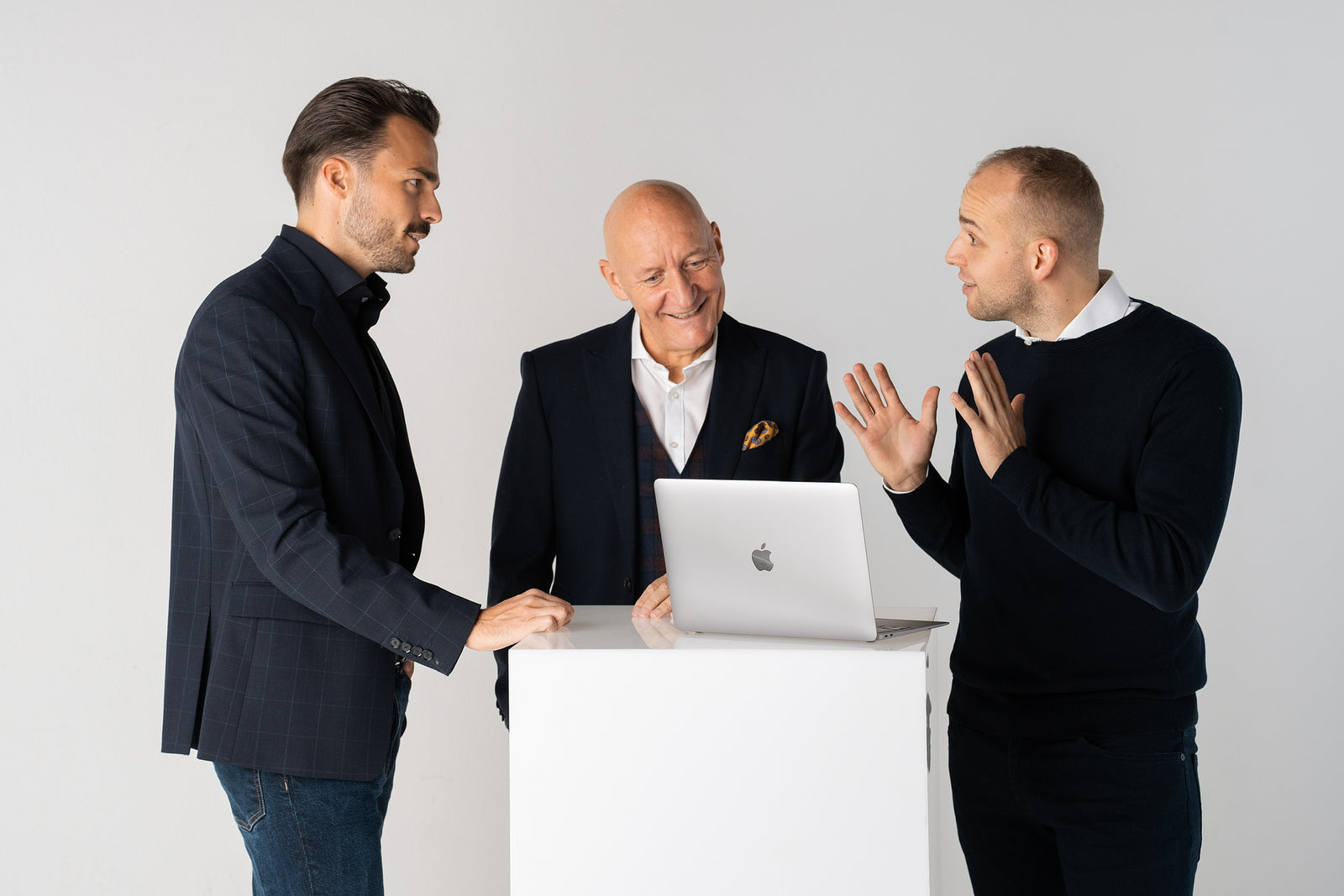
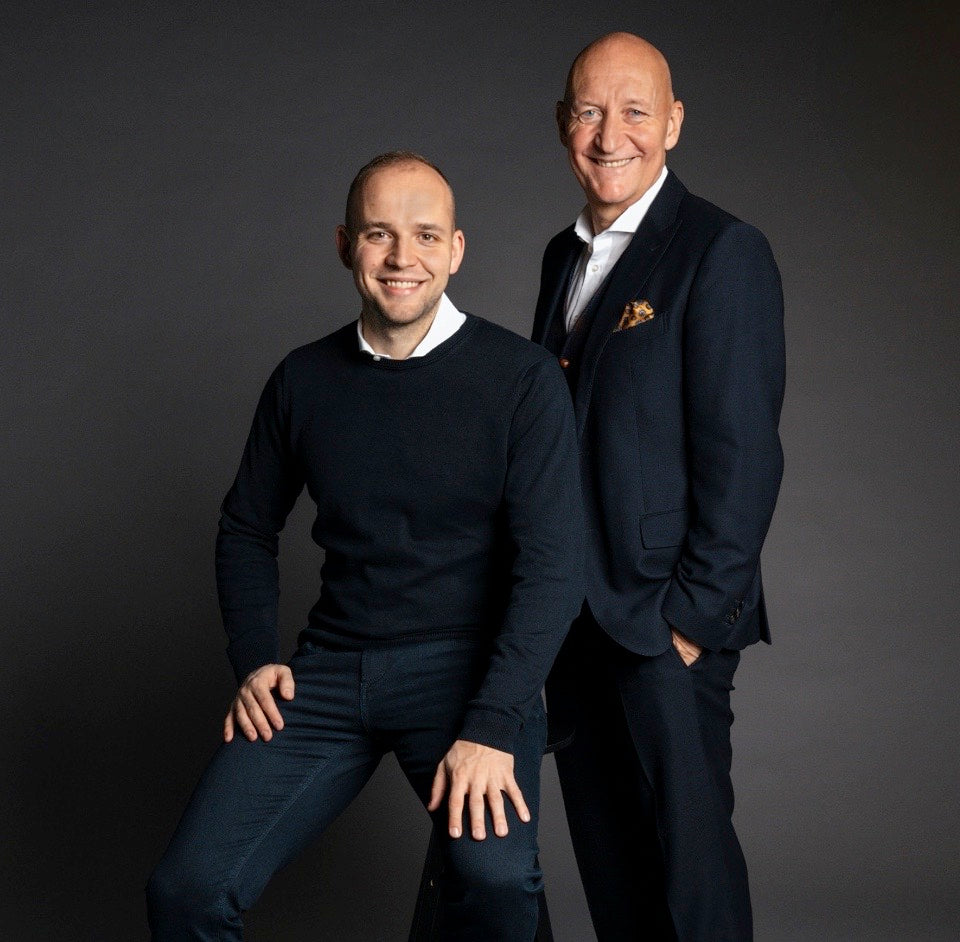
For this reason, we spoke to Bruno Marroni, a long-time visitor to Dubai, real estate investor from Switzerland and Terra Nova client. His view as an external observer provides a differentiated insight into the current situation.
Interview with Bruno Marroni (April 6, 2026)
Bruno Marroni (born 1965) is the managing director of a pension fund. He started working in the second pillar in 1989 at a Swiss life insurance company. He is a federally certified pension fund manager and a federally certified social insurance expert.
Bruno, despite the situation in Iran, you traveled to Dubai last week to start the renovation work on your villa and also to enjoy a few days' vacation - what were your thoughts on travelling?
My wife Julia and I booked our flights about a month before the Iran conflict began. Since we took over our house last November, we no longer need a hotel.
The shock was profound when we saw the damage caused by falling debris in the media. At first, we couldn't understand why the entire GCC region had been dragged into the conflict. Initially, we hoped that the conflict would only last a few days and that negotiations would then take place between all parties. But this did not happen and we had to seriously ask ourselves whether the trip was safe enough for us.
If we had relied solely on the Swiss media, we would probably have canceled the flight the day before departure. However, as we have had friends and acquaintances in Dubai for years, we contacted them all first to find out how they were doing and what they thought of our travel plans.
The feedback was consistently positive: everyone told us about their personal situation and no one advised us against the trip. At the same time, no one played down the situation. So we decided together, one day before departure, that we would take the flight with Emirates from Zurich to Dubai.
How do you feel about the current mood here in Dubai in these turbulent weeks?
Well, the first thing I noticed was that the A380 was about 60% full - contrary to all the news we had read beforehand. To be fair, however, I have to say that only a fraction of these passengers could be seen at the baggage carousel in Dubai; many were obviously transit passengers.
When I arrived here in Dubai, my car rental company simply pointed out that I should not drive through large puddles as it had rained heavily earlier. I did not receive any further information about the current situation. Nevertheless, there was heavy traffic on the roads. Even in the malls, the hustle and bustle was largely "normal" - it was only noticeably quiet where you would normally find a lot of tourists. Many hotels only have some of their restaurants open at weekends.
While we are talking, another emergency alarm sounds. The Dubai government is very committed to the safety of its citizens; the alerts are sent to all cell phones in the respective region. About 15 minutes later, the all-clear is given and we are told that the situation is safe again.
Family and friends often write to me in a very worried tone and want to know if we are okay. This makes me realize that I don't feel much of these worries here on site. It's hard to describe, but I would describe the mood as "almost normal".
As a real estate investor, are you already feeling the effects of the geopolitical situation on the Dubai market?
The real estate market in Dubai is very transparent, which is basically a great advantage. At the same time, however, it can be a bit annoying when a real estate agent sends me a message every other day asking whether I want to buy or sell.
I now take these inquiries as a kind of indicator of market dynamics - and so far they have hardly decreased.
Do you think Dubai remains a safe haven for investors?
That is a very difficult question. A lot depends on how long the conflict lasts and how it ultimately ends.
However, the impressions I have gained in my first ten days here in Dubai make me believe in a gradual normalization of the market. The UAE has shown strength, cohesion and care in this time of crisis - that's what makes this country special.
What is your medium-term forecast for the Dubai real estate market in the next 3 to 5 years? Do you plan to acquire more real estate?
Such a conflict or the associated uncertainties can lead to falling prices in the short term. In my experience, however, this is completely normal - real estate markets are cyclical and cannot go up all the time, regardless of the country in question.
It is quite possible that there will be a moderate correction in the coming years. However, this could also be an opportunity.
Personally, I will monitor developments very closely together with the Terra Nova Real Estate team and take advantage of any opportunities that arise to make an acquisition.
Bruno Marroni's statements coincide in many respects with our daily observations on the ground:
- Public life in Dubai remains stable
- The safety measures are present and structured
- The real estate market remains active
- Short-term uncertainties exist, but no structural weakness recognizable
It is precisely in such phases that we can see how resilient a market really is. There is currently a certain difference between international headlines and the actual situation on the ground.
At the same time, further developments remain difficult to predict and heavily dependent on geopolitical conditions. However, the assessment of an independent investor shows that Dubai is currently still stable and functioning - even if there are short-term uncertainties.