

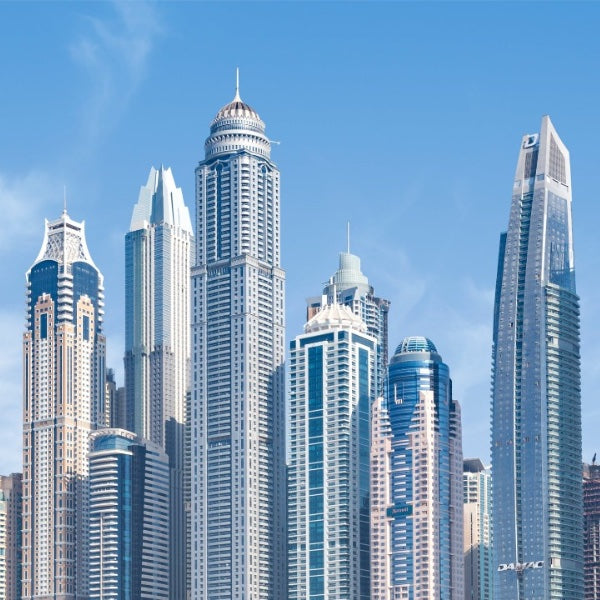


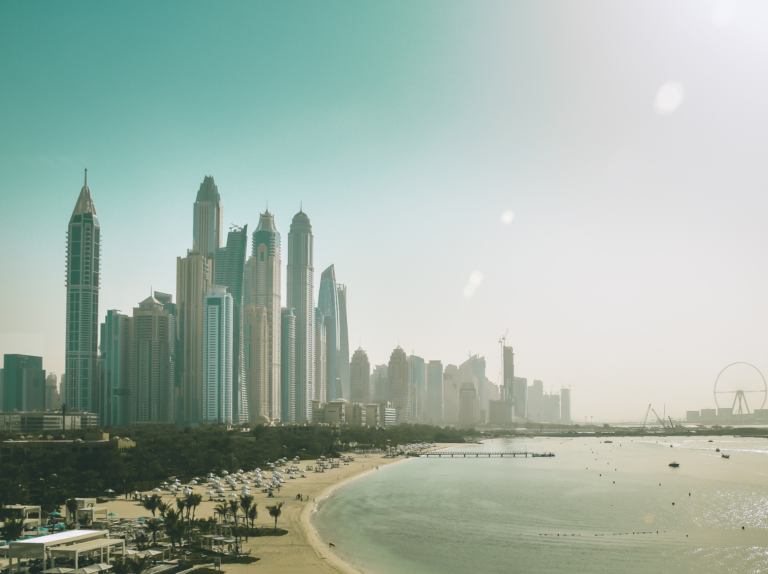

The real estate market in Dubai lost significant momentum in the second quarter of 2026. This was triggered in particular by the escalation of the Iran conflict in late February. Since there is often a two- to three-month lag between the decision to purchase and registration with the Dubai Land Department, the figures starting in June provide the first realistic picture of current market sentiment.
The number of residential transactions fell to approximately 34,850 sales in Q2 —a 31% decline year-over-year and a 22% decline compared to Q1 2026. The market for move-in-ready properties was particularly hard hit, while off-plan projects performed significantly better.
In the move-in-ready market, the correction is now clearly evident. Sales processes are taking longer, price negotiations are once again part of everyday life, and, depending on the location, sellers have had to accept initial price reductions. At the same time, rental prices are also coming under increasing pressure. Supply has risen significantly due to the completion of numerous new projects as well as units from the short-term rental market. Falling rents and longer vacancy periods are already noticeable, particularly outside of prime locations.
The trend in the off-plan segment is particularly interesting. Although new construction projects still account for around 76% of all transactions, developers have adjusted their strategy. While over 45,000 new units were launched in the first quarter, that number dropped to only around 5,300 in Q2. At the same time, approximately 27,300 apartments and villas were completed—the highest number in years. As a result, significantly more move-in-ready apartments and villas are currently entering the market, which increases supply and intensifies competitive pressure, particularly in the ready-to-move-in market. If the number of new launches remains persistently low, this could lead to a supply shortage again in two to three years.
Conclusion:
Q2 2026 marks the first real market correction in several years. Demand has become more subdued, buyers have a stronger negotiating position, and the market is becoming more selective again. In the short term, the increased supply is likely to continue putting pressure on purchase and rental prices, particularly in the ready-to-move-in market.
In the long term, however, Dubai’s fundamentals remain sound. Rather, current developments are likely to lead to a healthier market in which quality, location, and the developer’s reputation will once again play a greater role in determining investment success. At the same time, Q3 2026 will show whether demand recovers sustainably once the geopolitical situation stabilizes or whether the correction will continue for the time being.